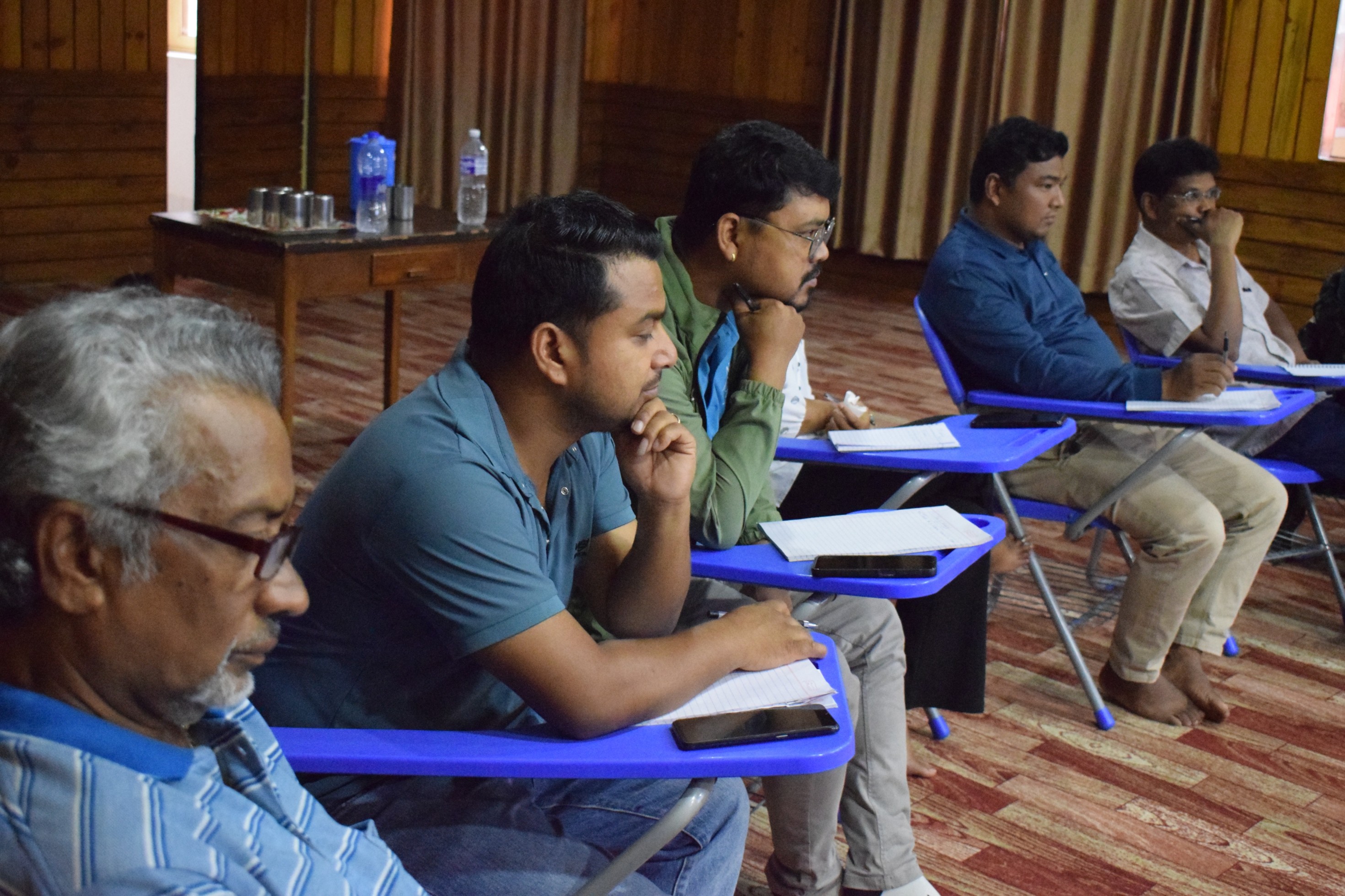
NJSI organized a two-day workshop for principals and vice-principals on 3rd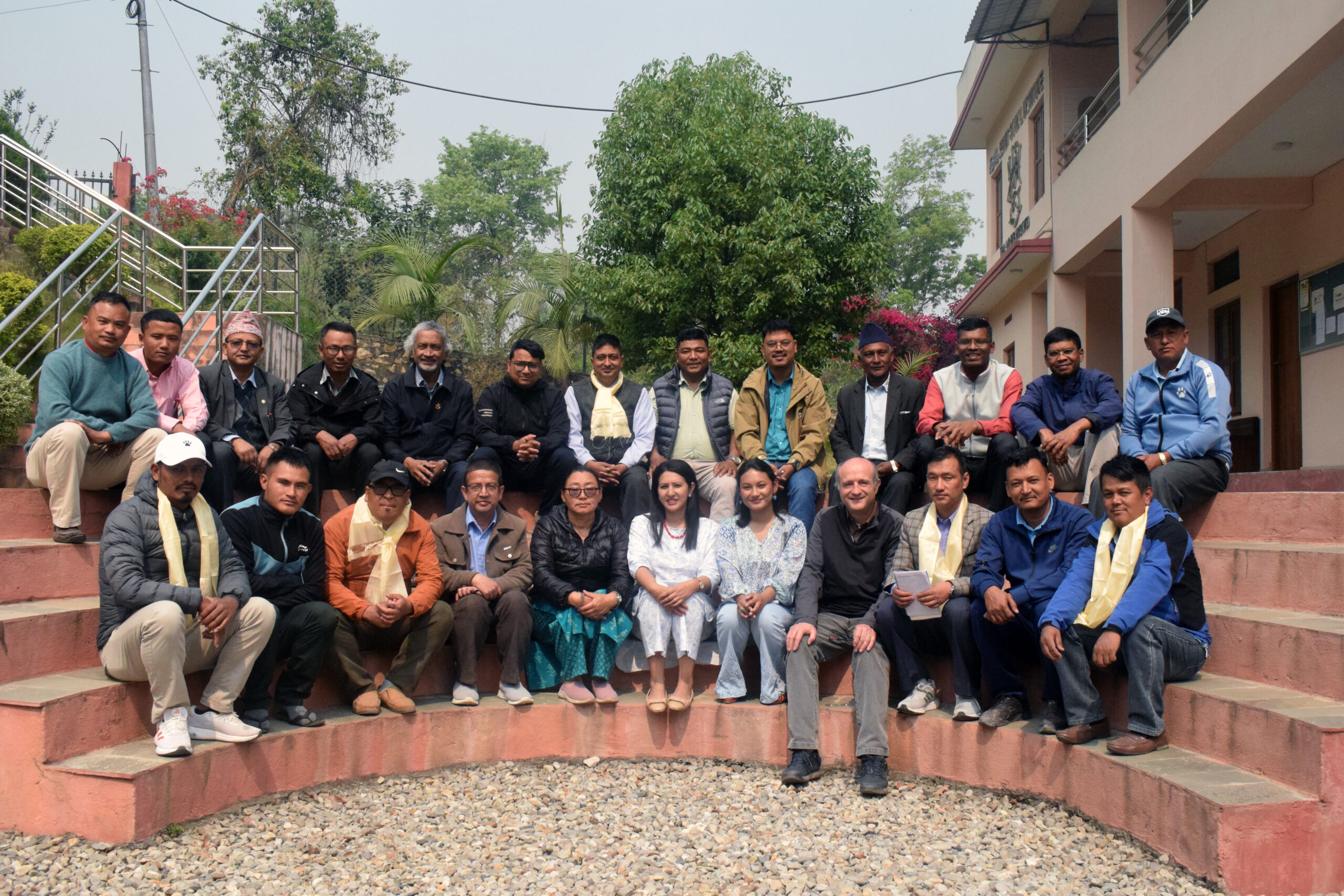 and 4th April at the Kavre Regional Center (KRC). A total of 15 principals and vice principals from 8 different schools took part in the workshop. The main goal of this event was to bring together school leaders under one roof to strengthen trust and collaboration around the Fe y Alegría Nepal program. We’ve carefully chosen 8 schools for this initiative based on factors like proximity, large student populations, strong coordination, solid relationships with staff, a focus on secondary education, and previous involvement with the REIN project. These schools are Shree Batchhala Secondary School, Shree Dongden Devi School at Dhadhing, Shree Bhagawati Secondary School, Shree Grammunnati Secondary School at Kavre, Shree Secondary School at Ramechhapp, Shree Himalayan School at Gorkha, Shree Kali Devi Secondary School at Sindhupalchowk and Shree Bhumesthan Secondary School at Dolakha.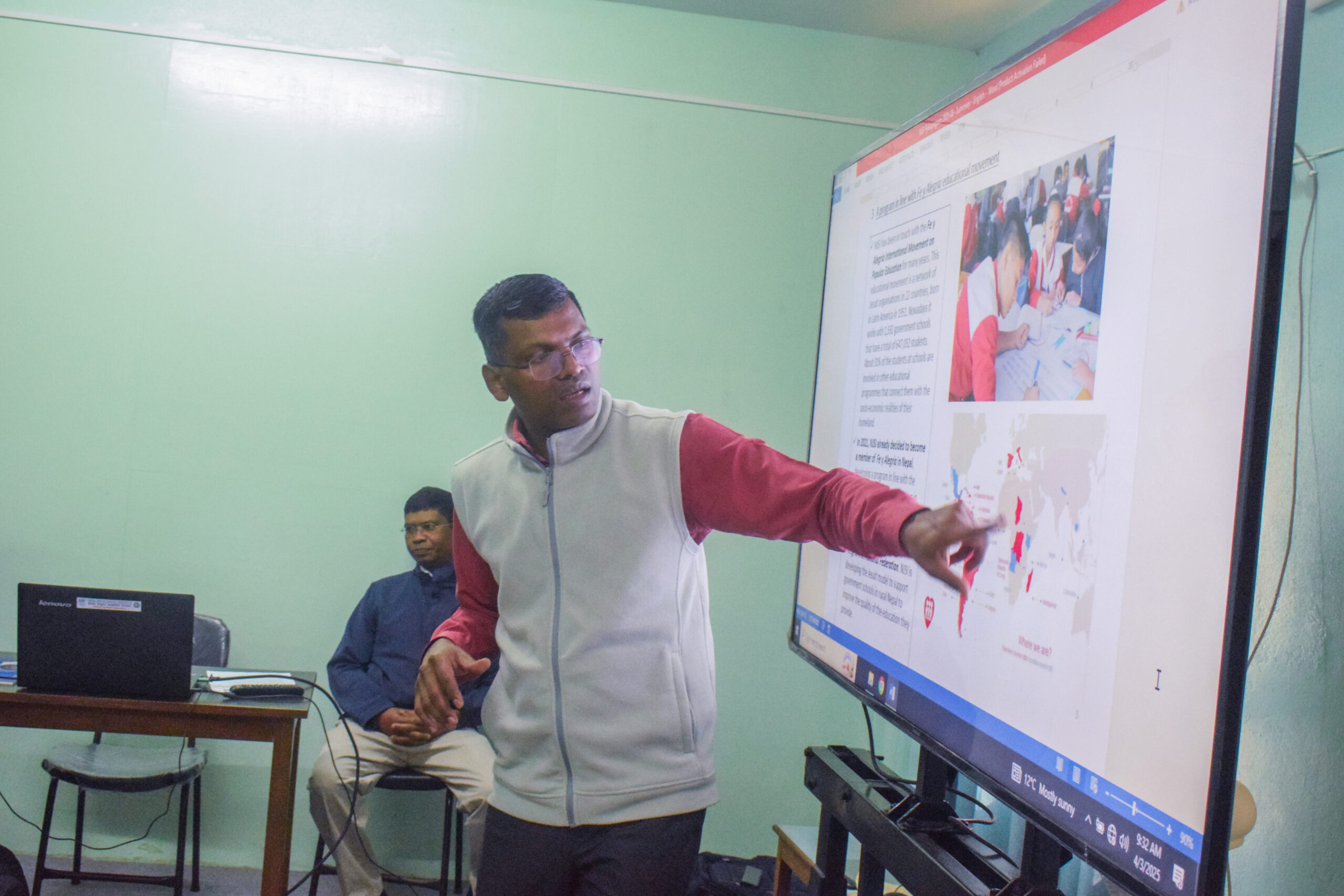
In an early stage of planning for improving the quality of education in the rural schools, we staffs were scattered in 8 different locations to collect the in-depth data from these schools. We collected information from a various stakeholder, including school principals, teachers, students, members of the School Management Committee (SMC), Parents Teachers Association (PTA) members, parents, ward chairpersons, and Education Officers from the Rural Municipality. We had a sort of Questioner for each individual. We used the method of one-to-one interview, group discussions, observations and secondary data analysis. 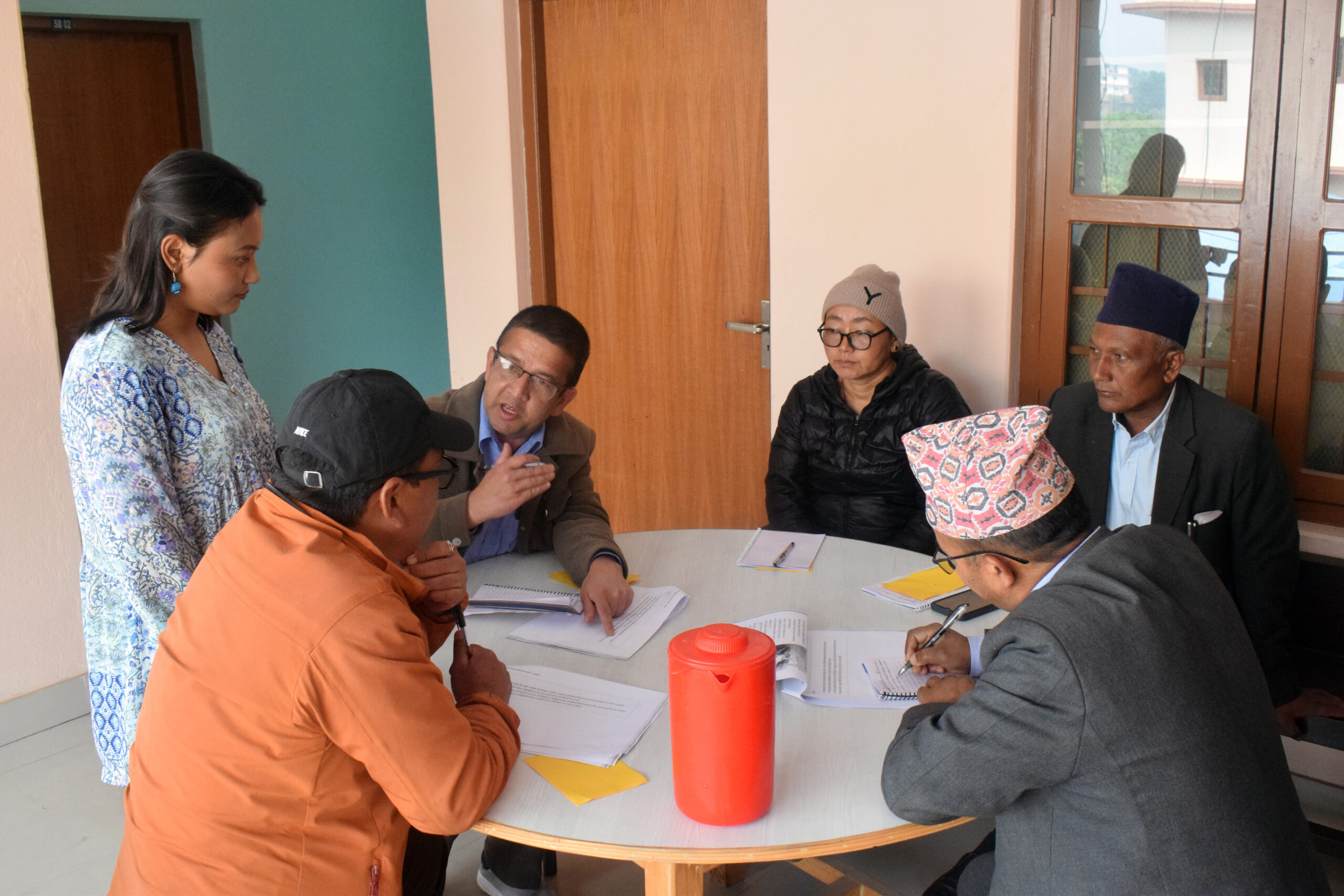
Basically, our activities are divided into 3 main categories, Formal Education, Non-formal Education and Inclusive Education. As the Jesuits are renowned for the expertise in Formal Education, we will be receiving guidance from the Jesuit community. For the Non-formal Education, Laia an Education Specialist, from Spain is guiding us and last but not the least, for the Inclusive, we are communicating with other INGOs/NGOs to exchange the ideas and strategies. We have met couple of organizations to share the ideas and best practices. Although, NJSI has been working in these three areas since 2015, this new initiative builds on our previous experiences while also integrating expert input to ensure the success of the Fe y Alegría Nepal program. 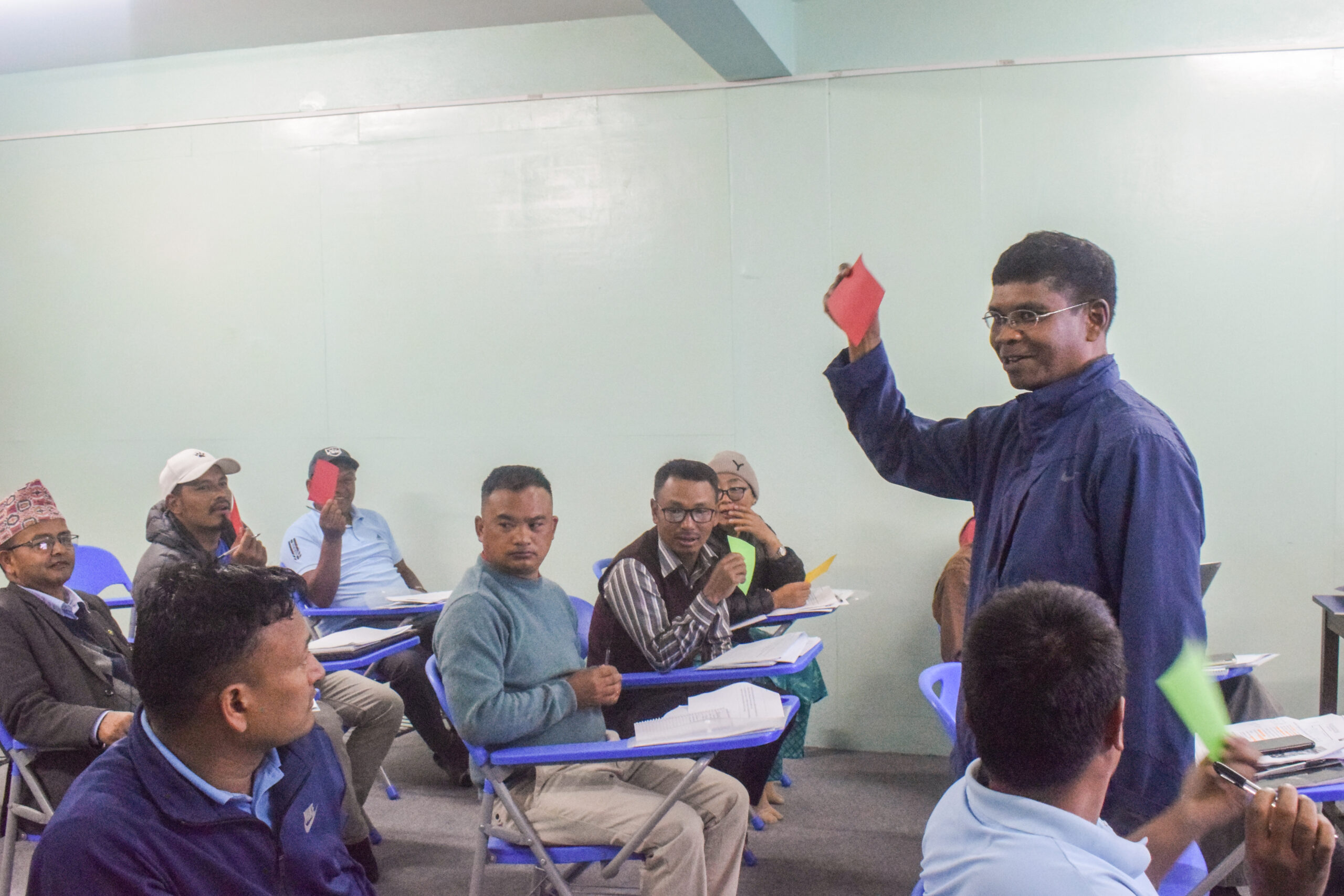
Our two-day workshop with the principals and vice-principals was highly interactive and productive. It is foundational step in launching the Fe y Alegría Nepal program. During the sessions, we presented our background, objectives, planned activities, and methodologies. The participants showed great interest and actively engaged with the 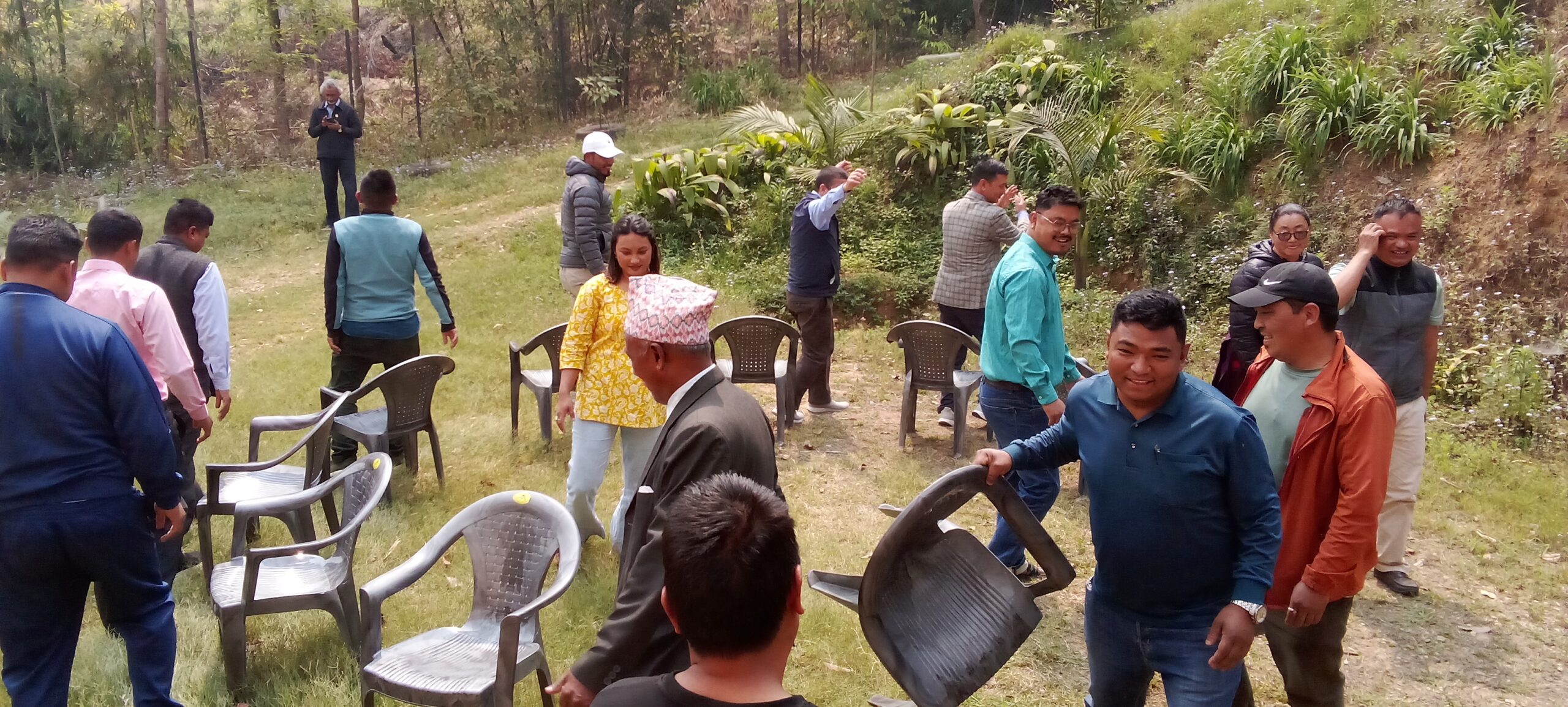 content, raising numerous questions and seeking clarity on various aspects of the program. The NJSI team addressed each of their concerns systematically and thoroughly. In addition to the presentations and interactive discussions, we also facilitated team-building activities, which were well-received and enjoyed by the participants. With valuable insight, NJSI is moving forward with a well-informed, collaborative, and strategic approach. We are confident that with continued engagement and guidance, the Fe y Alegría Nepal initiative will make a meaningful impact in the targeted regions and contribute to long-term educational transformation.

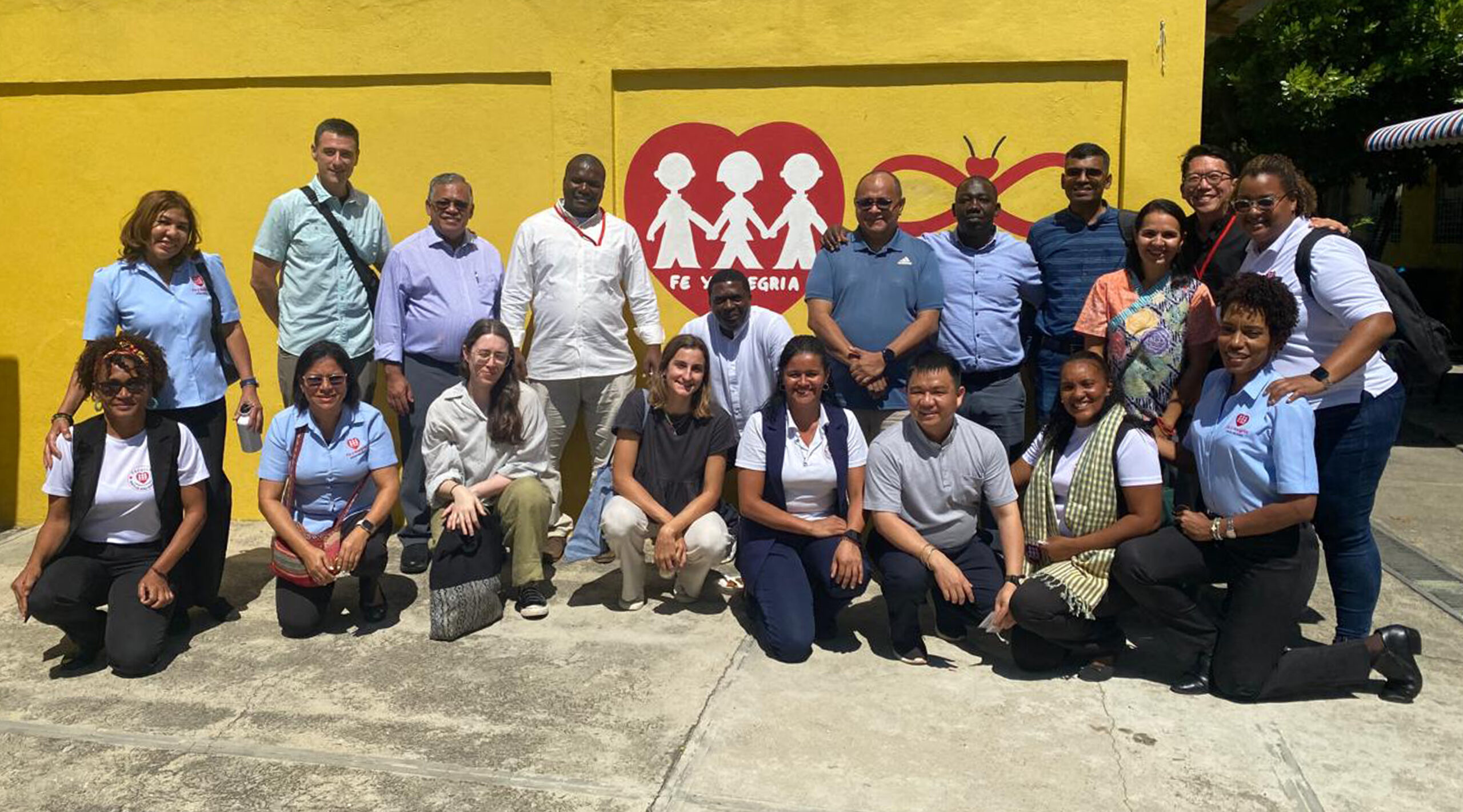
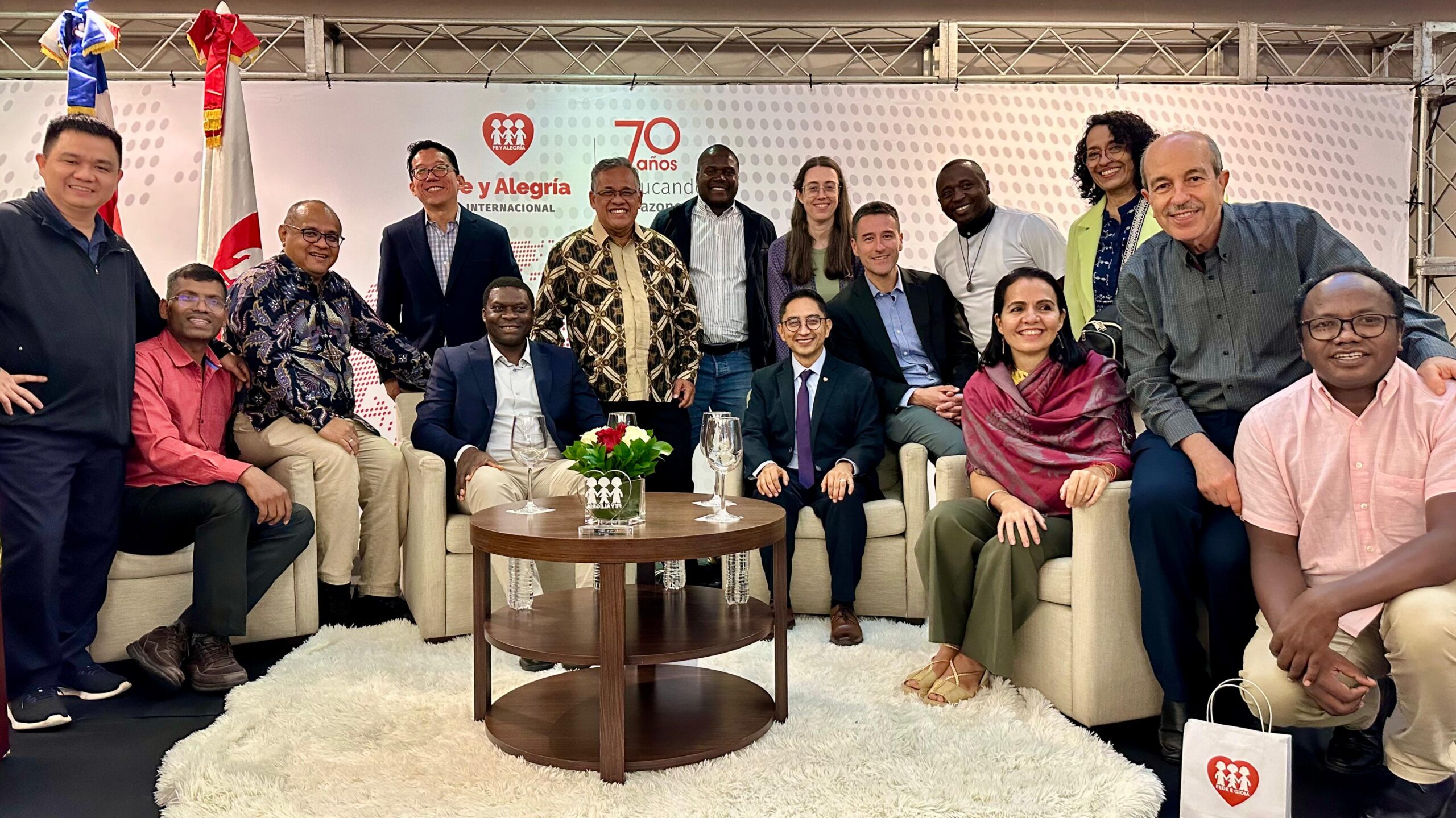
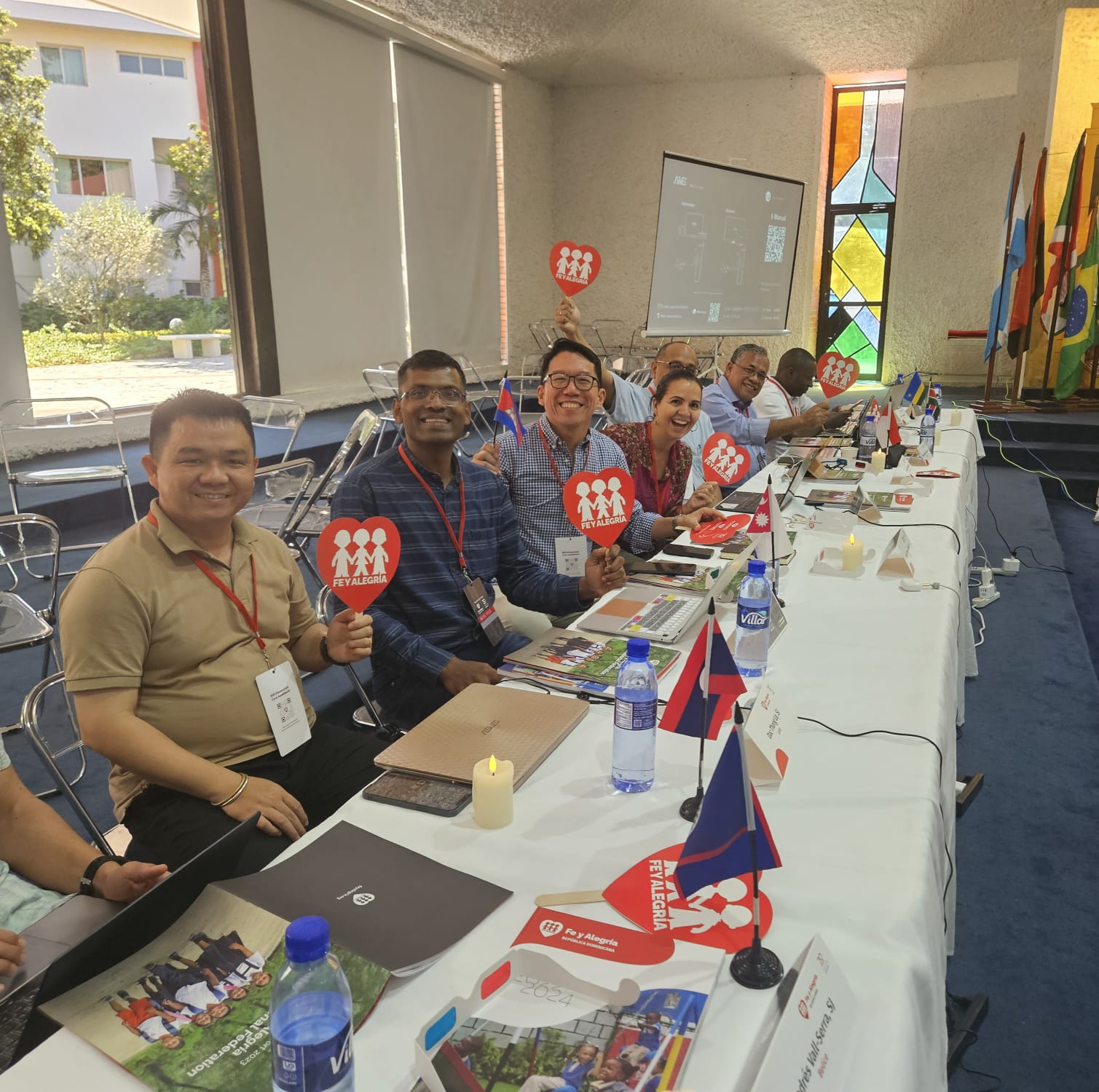 Santo Domingo, Dominican Republic, for the 40th General Assembly of the International Federation of Fe y Alegria. The Assembly was a true reflection of the diversity and cultural richness of the Federation that brought together 103 participants, 89 in person and 14 virtually. Among them, 9 representatives were from the emerging Fe y Alegria countries, including Nepal, represented by Fr. Agustus.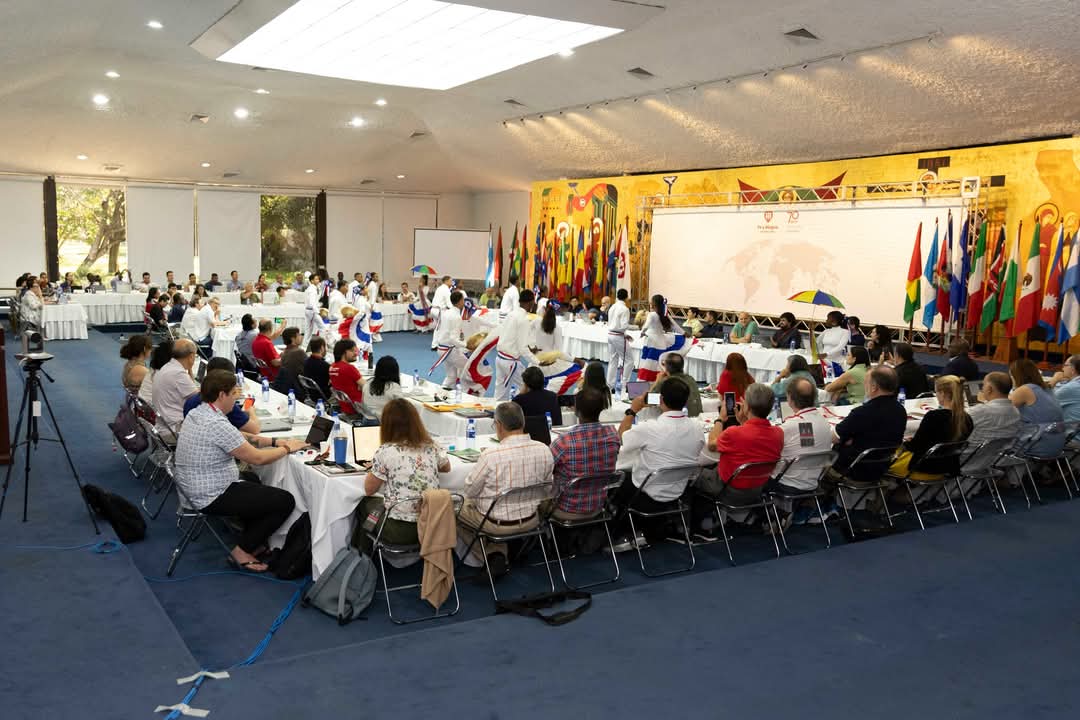
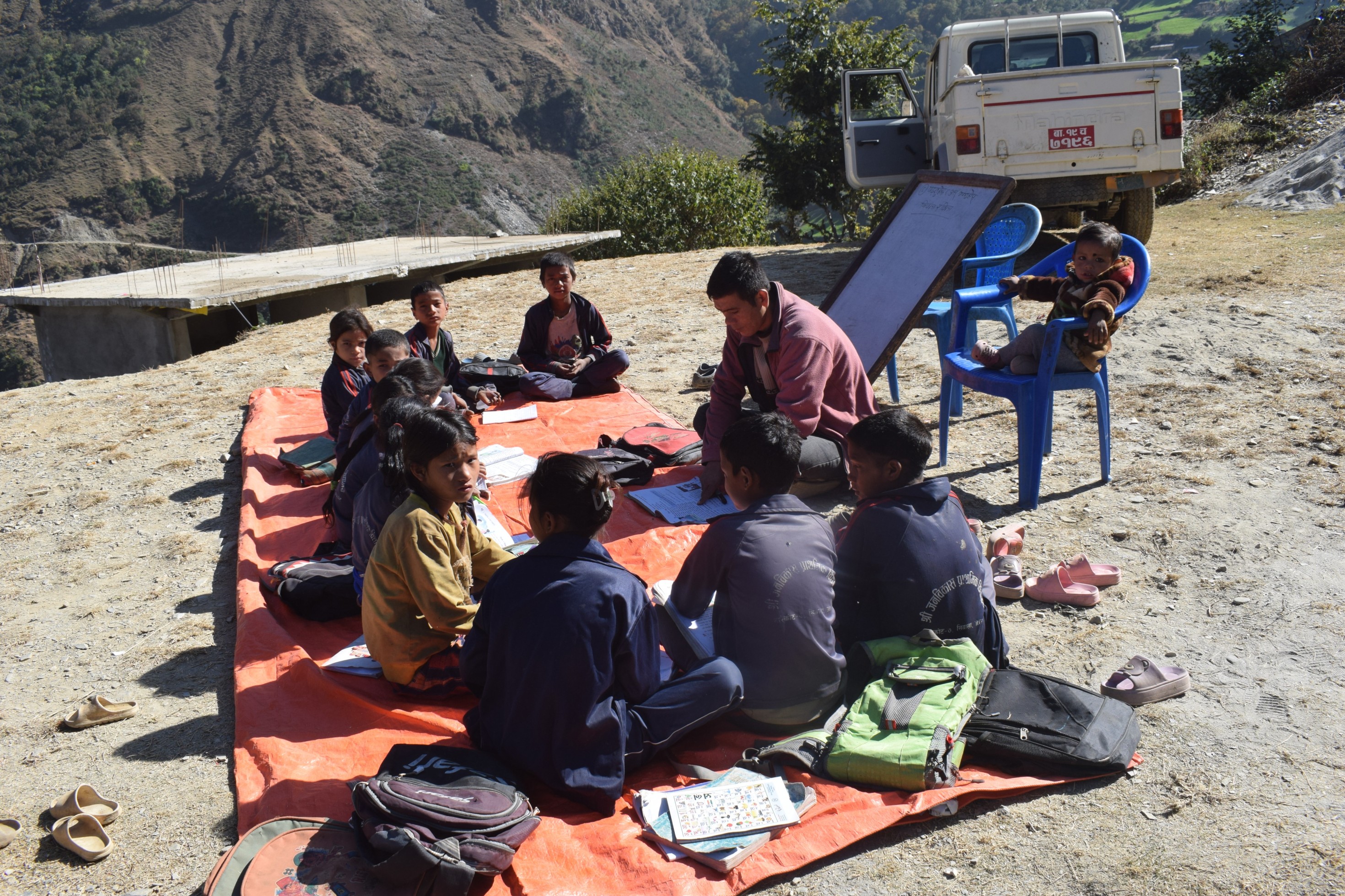
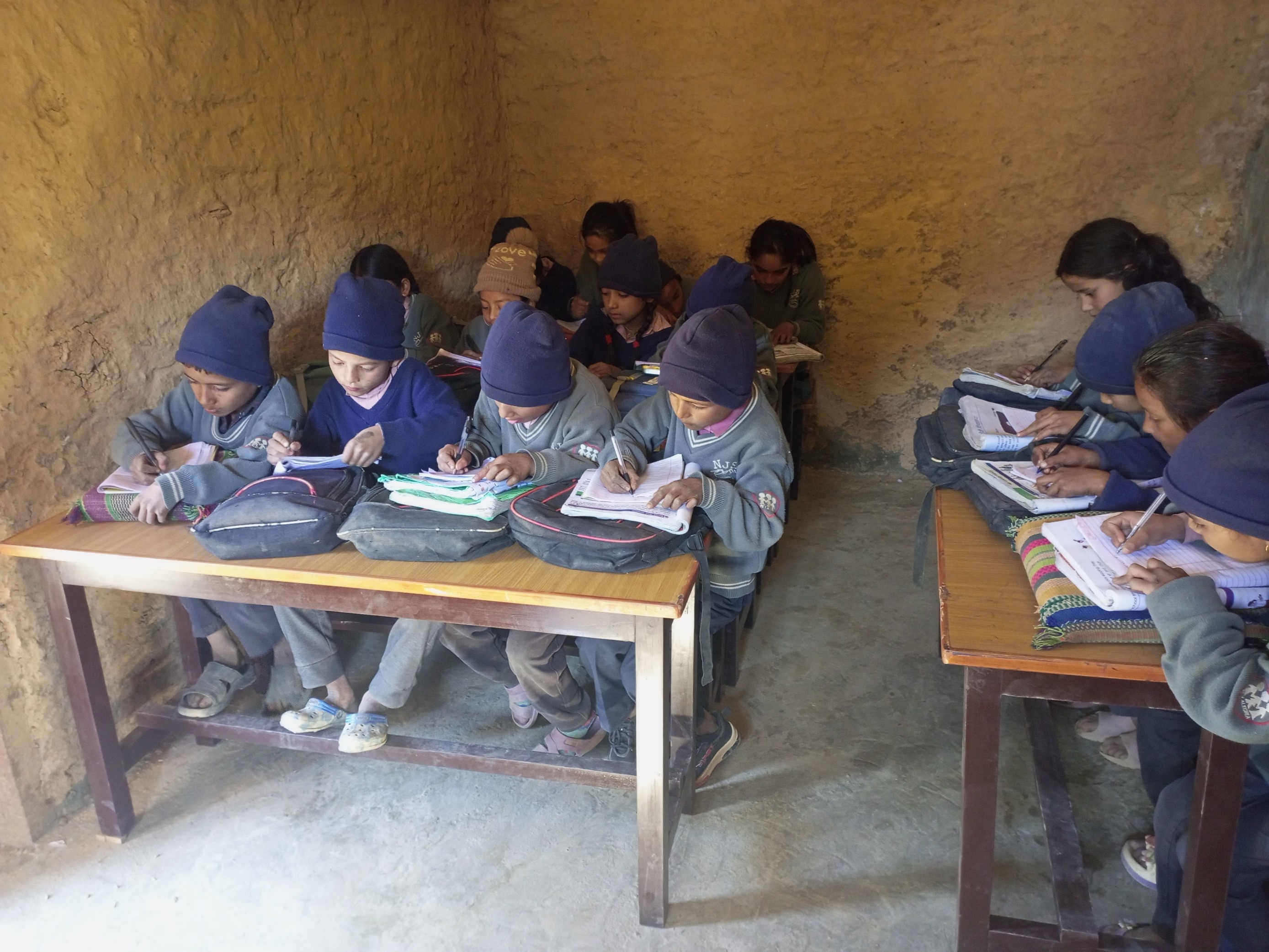
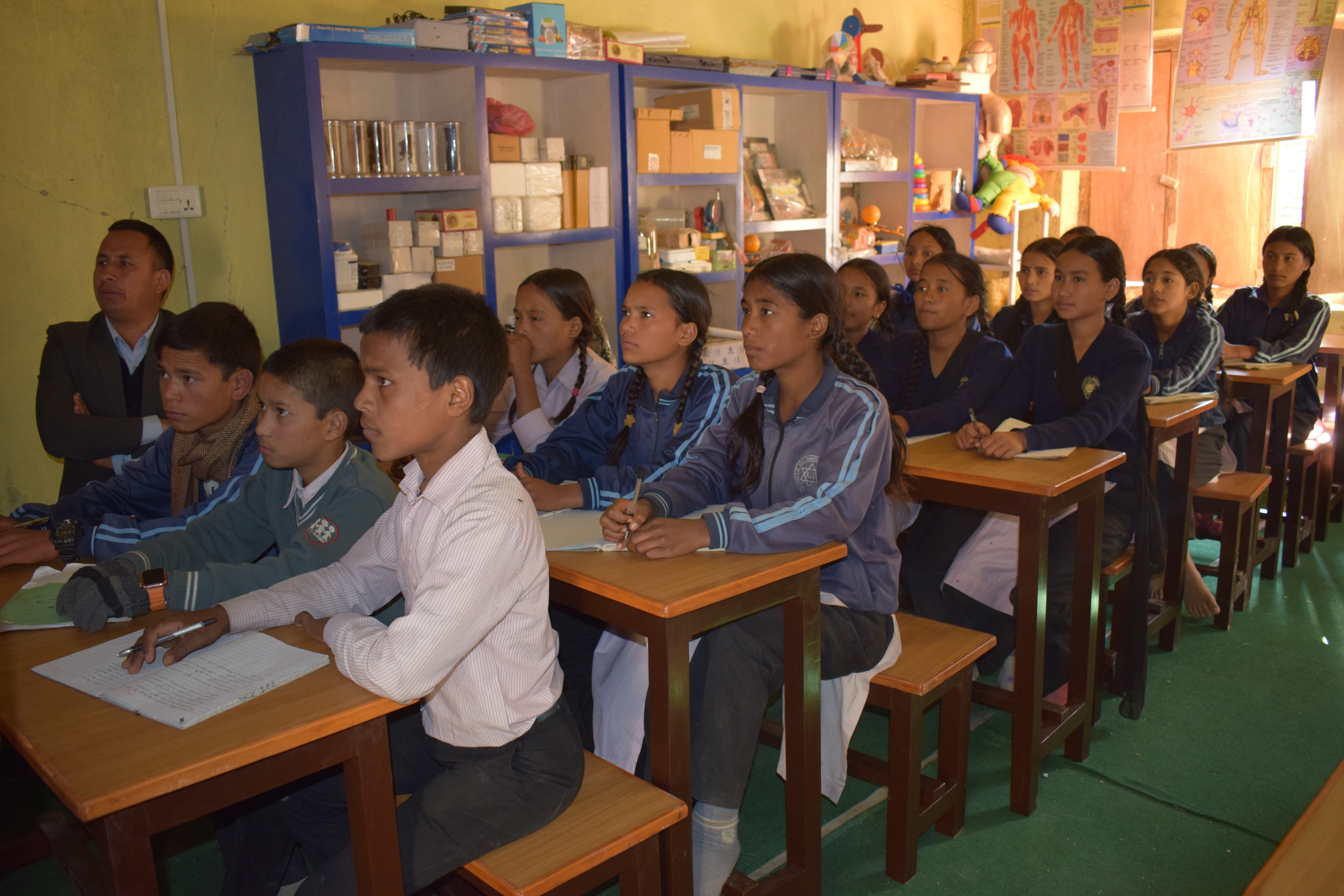
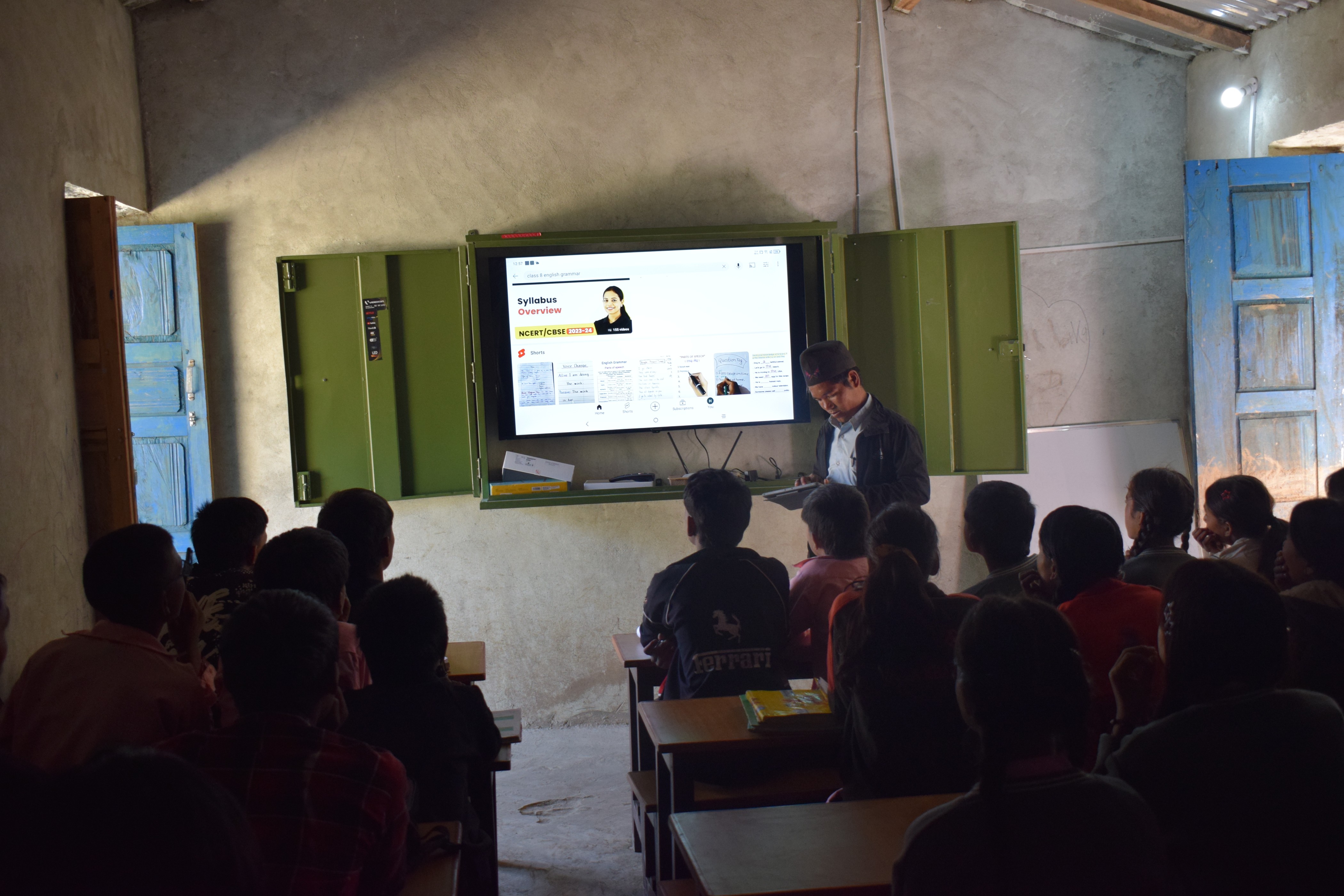
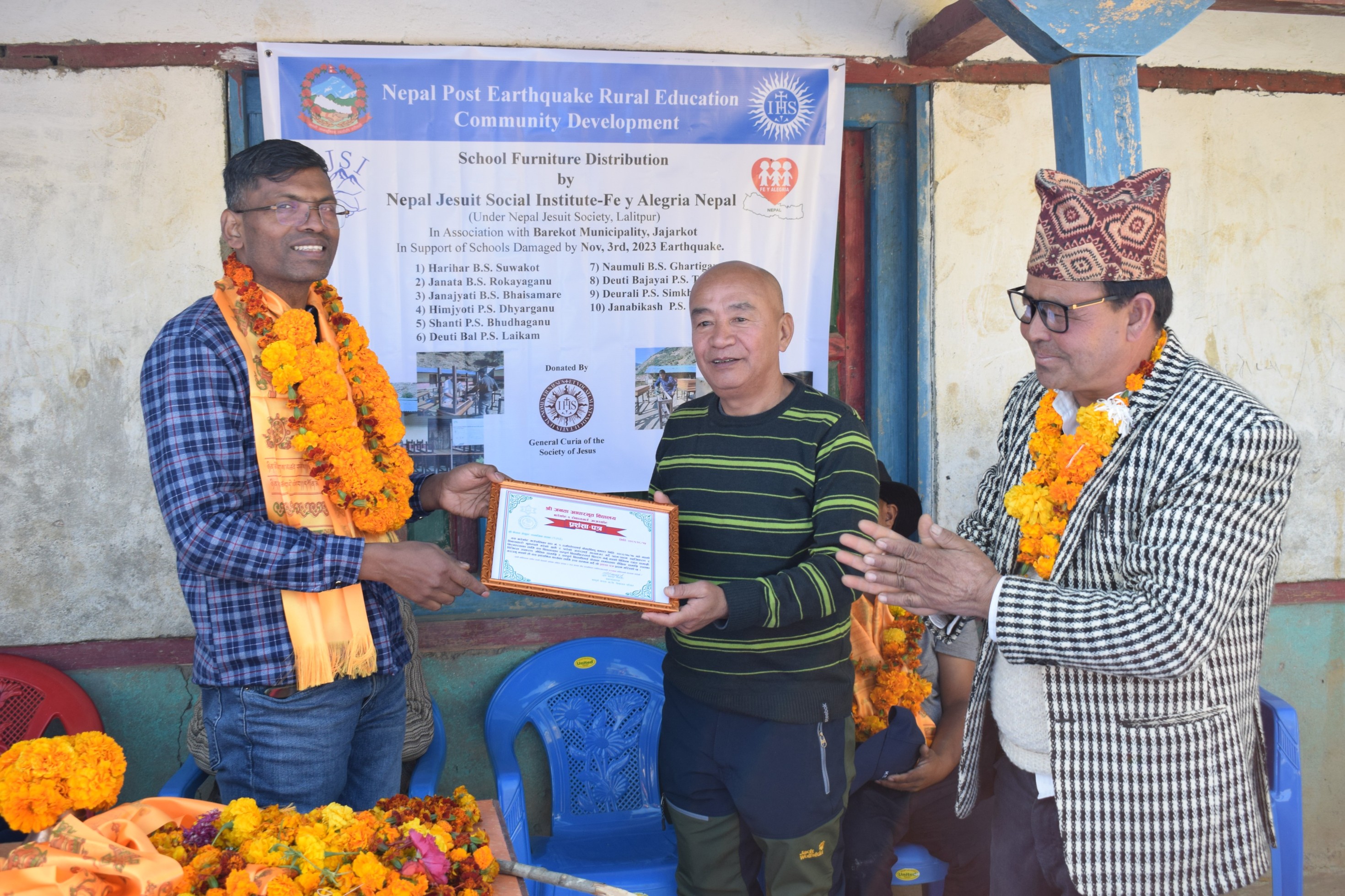 On 2nd Dec, Fr. Amrit Rai, the Superior of NJS, Fr. Agustus, the Executive Director of NJSI, some of the staffs of NJSI, Education Officer, teachers, principals, parents, members of school management committee were present in the handover program.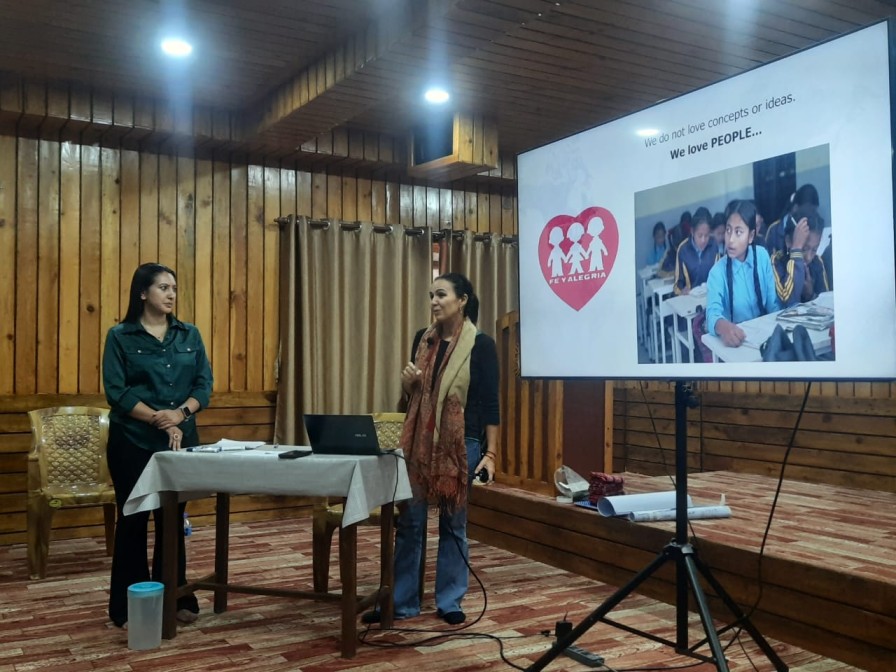
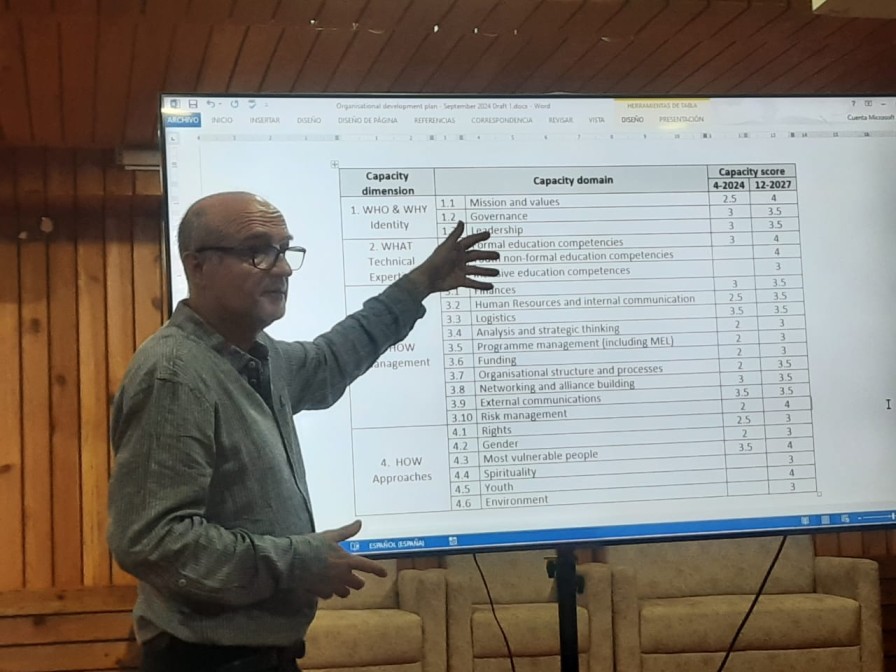
 FyA is a global educational movement. Many countries are part of this movement. Each country has developed its own model to uplift vulnerable populations through education. We are in the process of creating a FyA model in Nepal that is contextually relevant and beneficial to the community we serve.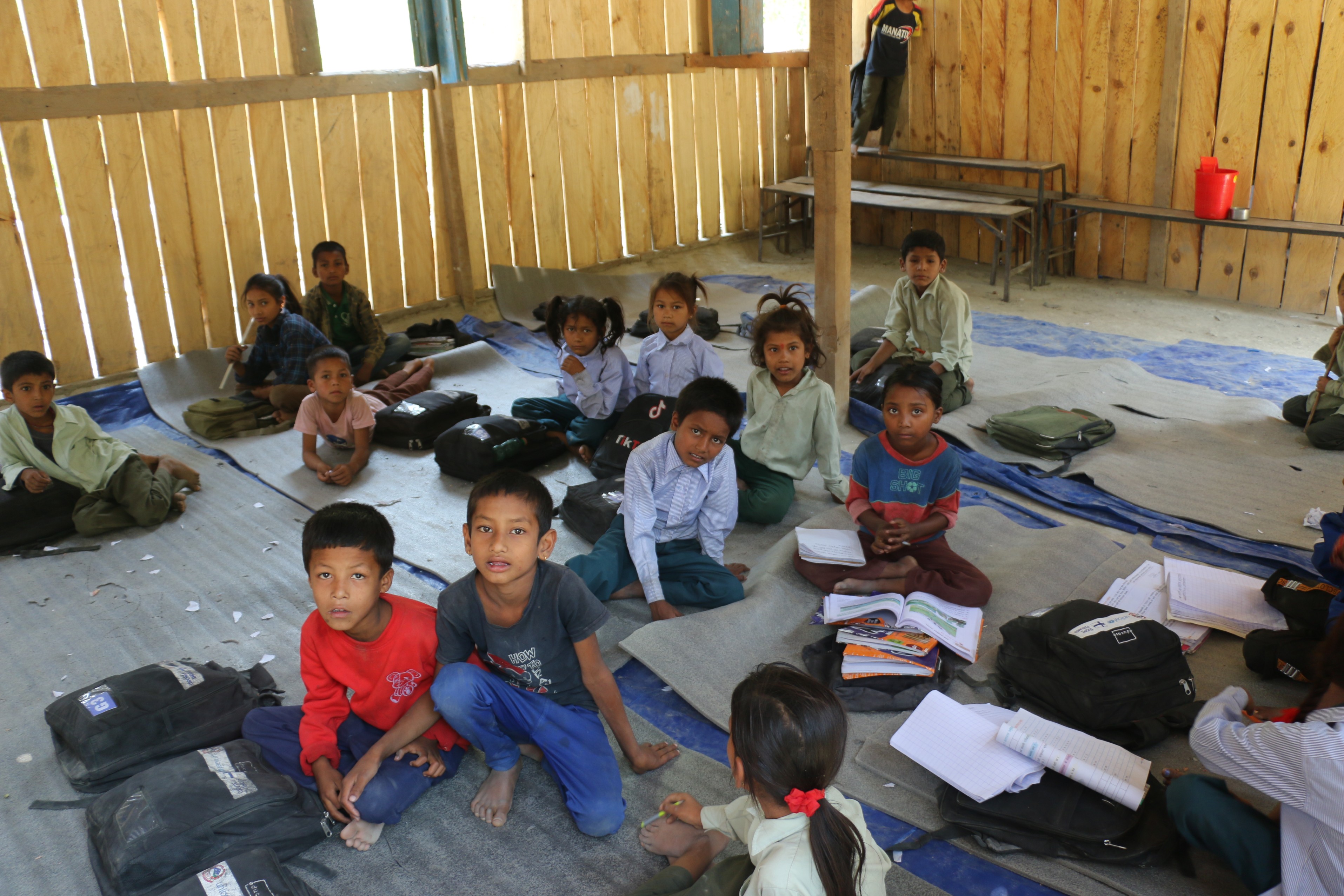
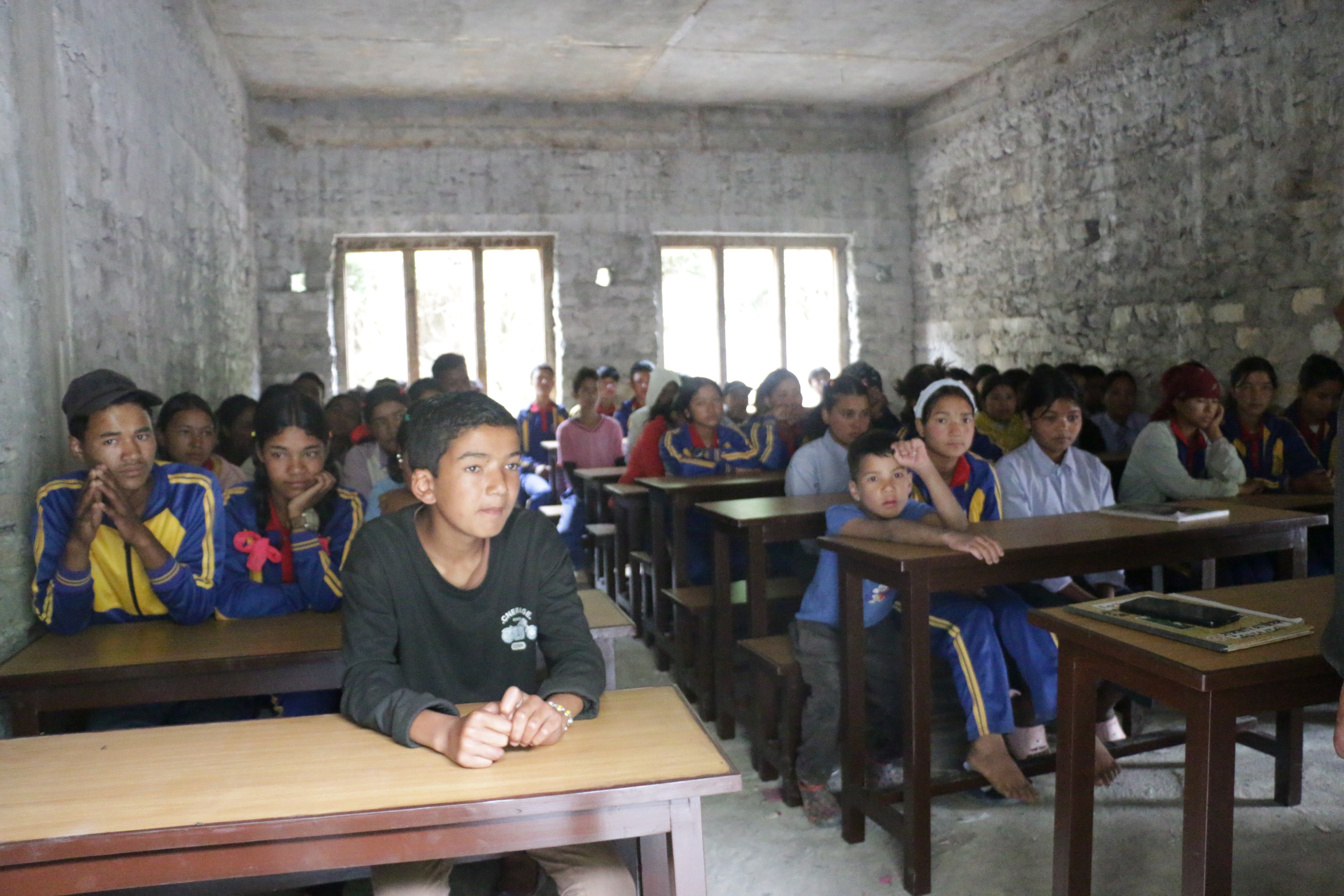 When the Earthquake hit Jajarkot on 3rd Nov, 2023, initially, NJSI helped with Temporary Learning Centers to 19 schools of Barekot Rural Municiplity, Jajarkot than with the follow up programs, NJSI saw the need of educational materials and clothing for the students. Consequently, NJSI distributed educational materials and sweaters prospering 4886 students in total.
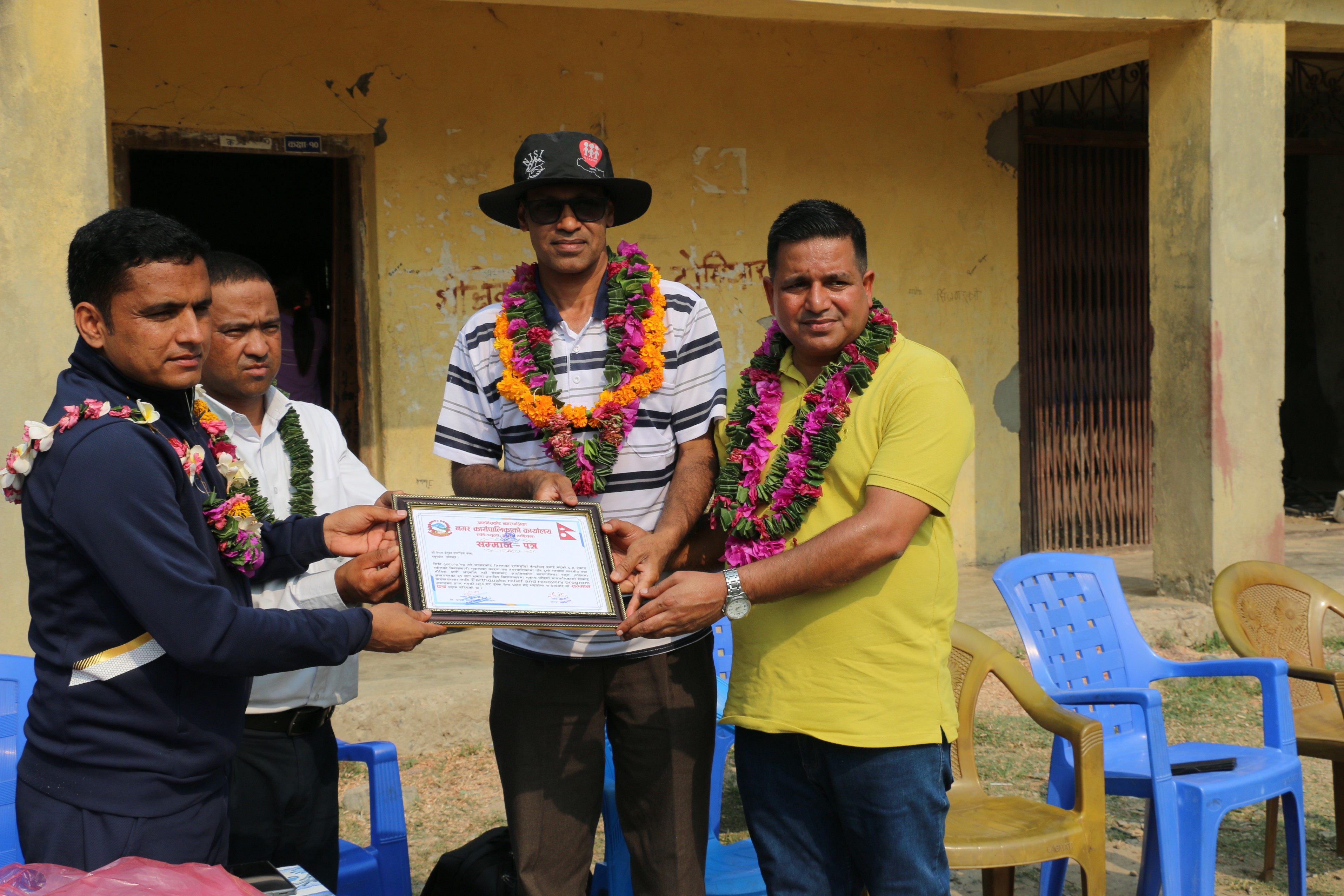 In total, 7482 students got benefited. The NJSI team started the journey from 28th May to 19th June and returned at June. On 18th June, a Handing Over Ceremony was held by Aathbiskot Municpality at Shree Nepal Rastriya Secondary School. The program was conducted in the presence of Mayor Rabi K.C, Section Officer of Education, Youth and Sports, Indra Bahadur Bista, Principal of Jeevanjyoti, Fr. Joman, ward chairperson of School Management Committee, chairperson of wards and rest were the principals, teachers and students of the schools who received the furniture. These all schools were recommended by the local Government. As to testify the recommendations, NJSI witnessed the students were sitting on the floor in the classrooms with no furniture, in some schools, the furniture was in the verge of damage. Though the schools were not well furnished, the no. of students in all 21 schools were quite high, the students were coming regularly. Comparatively to otheir schools the parents have understood the prosperity of sending their children to the schools for their better future.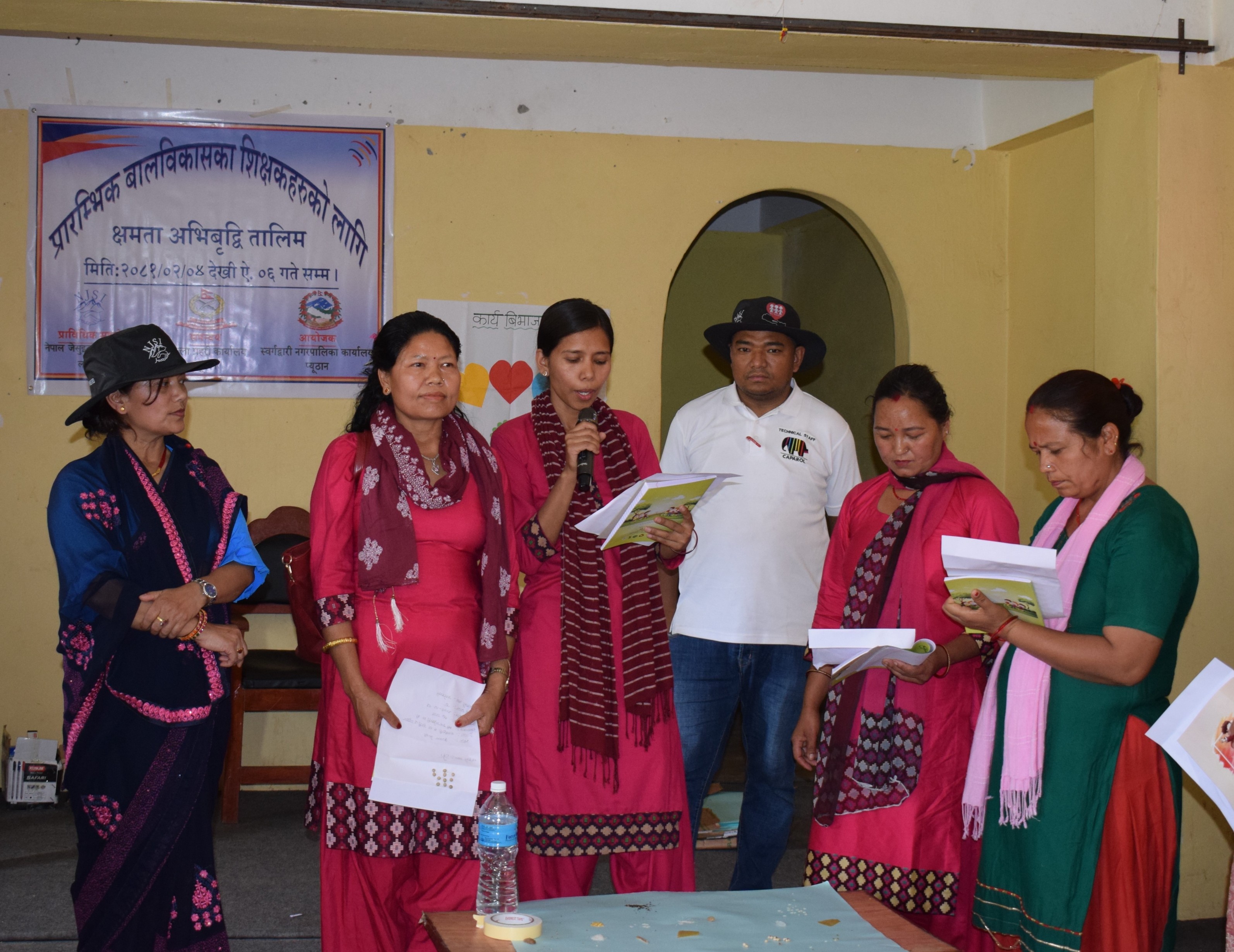
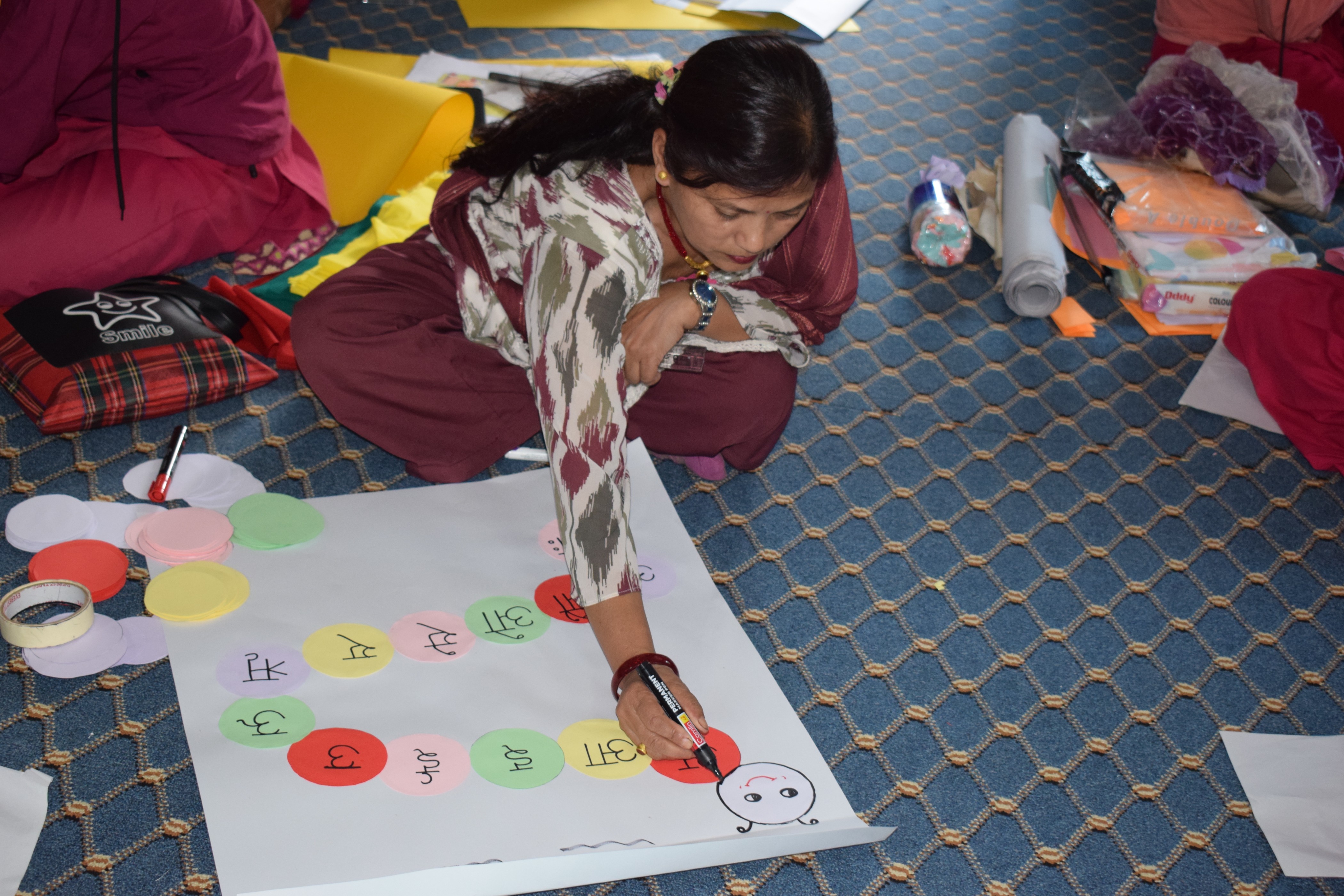 Municipality. The ECD Program was organized for 3 days, from 17th to 19th May at Shawradarika Municipality. In total 42 schools were participated where one teacher from each school were present. The resource person was from “Seto Guras” named Sita Devi Shrestha. And from 20th to 22nd May, another, ECD training program was held at Airawati Rural Municipality where 50 teachers were participated from 50 schools. The notion of providing ECD Training program is to the teachers to gain deeper understanding of the physical, cognitive, social and emotional development of their students. The knowledge would help them to adapt significant teaching methods and activities in order to reach the students need at various stages of development.
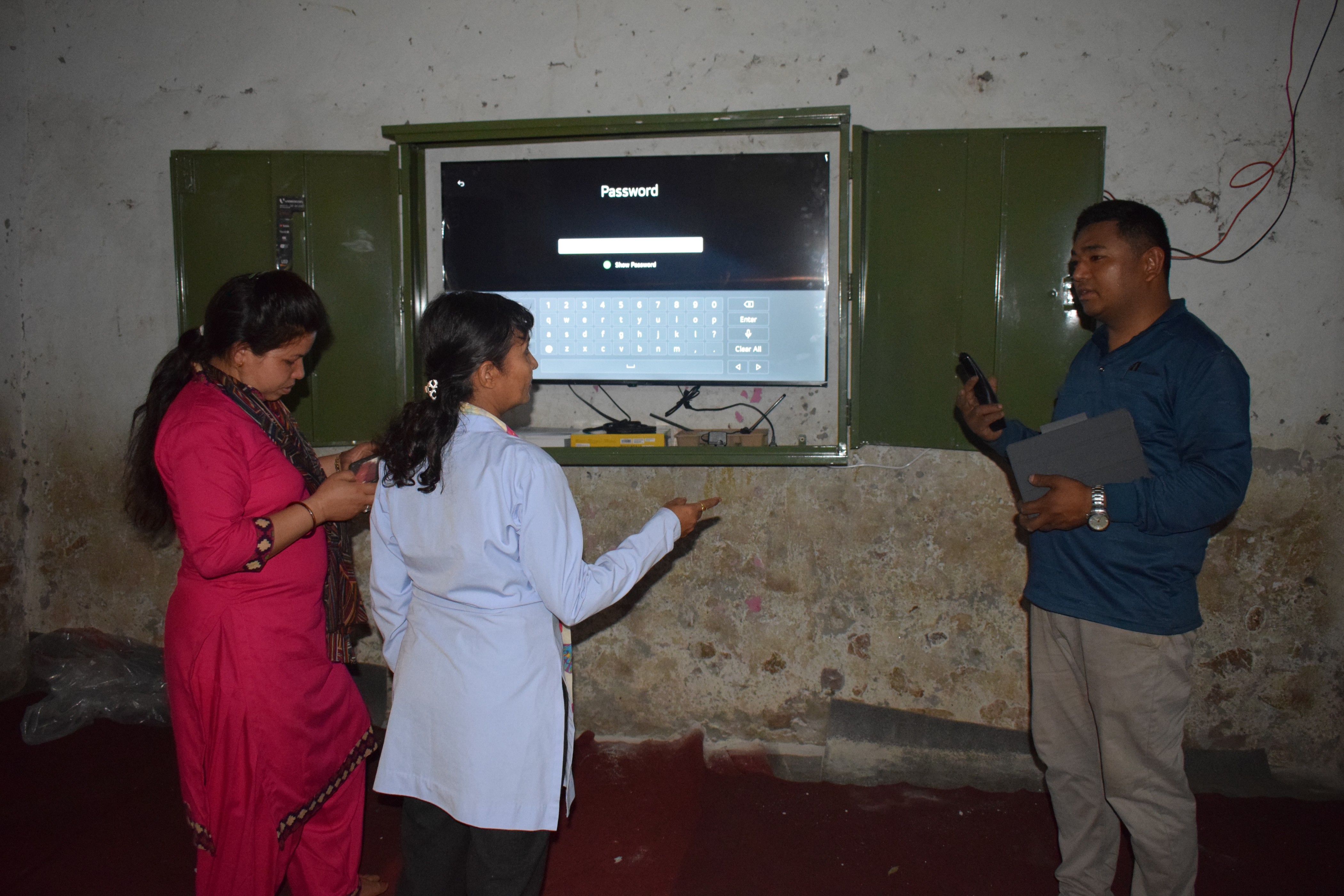 On 20th May, the team went to Shree Aishwarya Nepal Rastriya Primary School for the REIN program. The school is located at Sormarani Rural Municipality And, on 22nd May, the team went to another school named Shree Gyan Jyoti Primary School which is located at Pyuthan Municipality. The school is situated at the border of the Pythan and Rolpa, districts. These both schools are situated at the remote areas of Pyuthan. They have limited access to facilities, even struggling for their basic needs hence NJSI is giving a helping hand to them for their development.